Loading
Trust® Wallet Extension* – Your Gateway to Web3
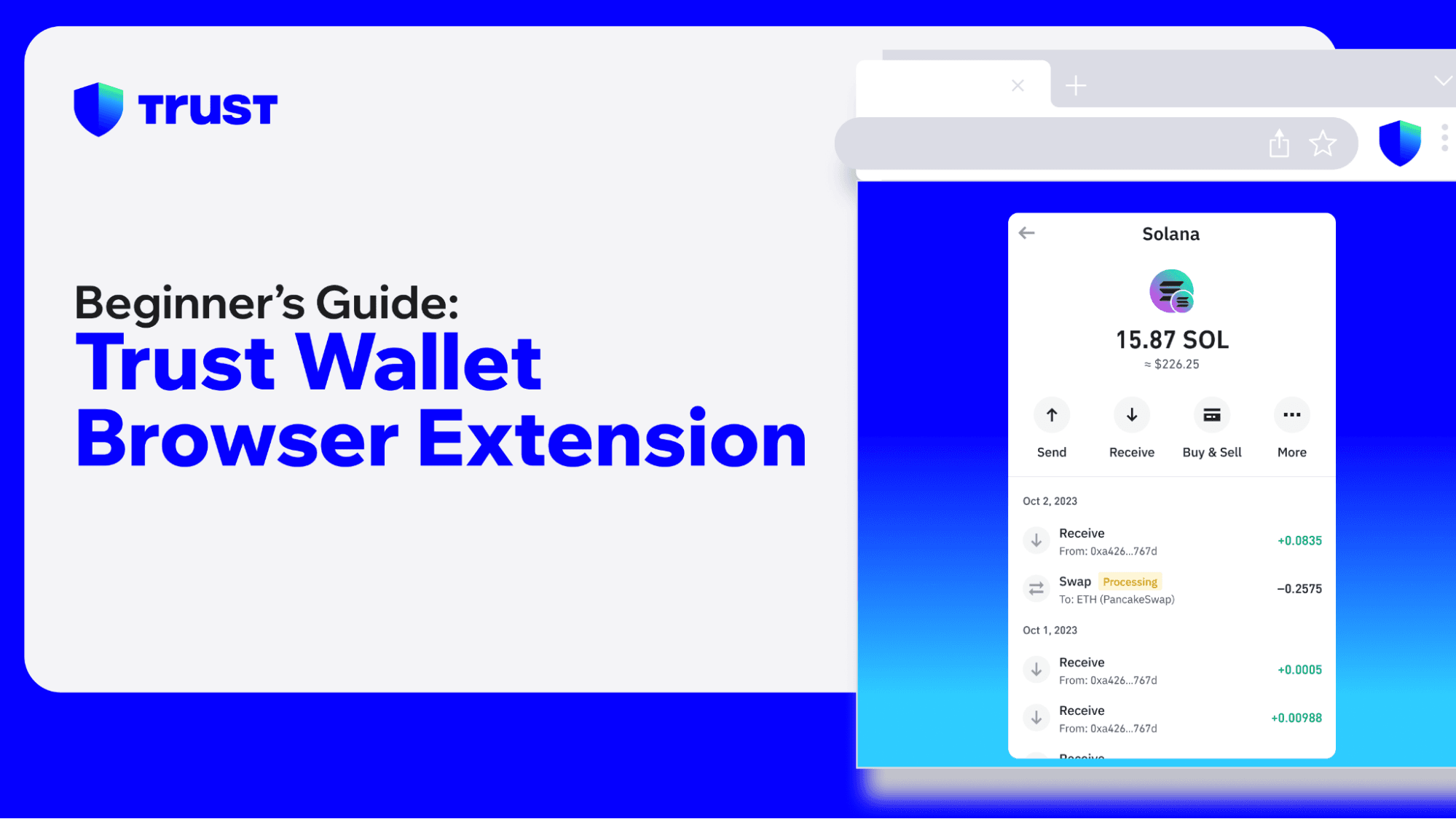
The Trust® Wallet Extension* is a browser-based crypto wallet designed to give users seamless access to Web3 applications, decentralized finance (DeFi), NFTs, and multi-chain digital assets directly from their desktop browser. As Web3 continues to evolve, browser extensions have become essential tools for interacting with decentralized applications (dApps), and Trust Wallet’s extension provides a convenient, non-custodial gateway into this ecosystem.
This guide explains what the Trust Wallet Extension is, how it works, how to set it up, its key features, and the security practices you should follow — along with an important disclaimer at the end.
What Is Trust Wallet?
Trust Wallet is a non-custodial cryptocurrency wallet that allows users to store, manage, and interact with digital assets. Originally launched as a mobile-first wallet, Trust Wallet expanded to include a browser extension to support desktop-based Web3 interactions.
As a non-custodial wallet:
- You control your private keys
- You control your recovery phrase
- You control your funds
No central authority holds your crypto on your behalf.
What Is the Trust® Wallet Extension*?
The Trust Wallet Extension is a browser add-on compatible with popular browsers such as:
- Google Chrome
- Brave
- Microsoft Edge
- Opera
It functions as a Web3 wallet, meaning it can:
- Connect to decentralized applications
- Approve smart contract interactions
- Sign transactions securely
- Manage tokens and NFTs
- Bridge assets across blockchains
Unlike centralized exchange wallets, the extension gives you direct ownership of your assets.
Why Use a Browser Extension Wallet?
Web3 applications run directly in your browser. To interact with them — whether swapping tokens, minting NFTs, or staking — you need a wallet that can:
- Connect to websites
- Sign transactions
- Confirm blockchain activity
The Trust Wallet Extension acts as your identity layer and signing tool for blockchain transactions.
Key Features of Trust Wallet Extension
1. Multi-Chain Support
The extension supports multiple blockchain networks, including:
- Ethereum
- BNB Smart Chain
- Polygon
- Avalanche
- Arbitrum
- Optimism
- Other EVM-compatible networks
This allows you to manage assets across ecosystems without needing separate wallets.
2. Non-Custodial Security
Trust Wallet ensures:
- Private keys are stored locally
- Keys are encrypted
- Users maintain full ownership
No third party can freeze or access your funds.
3. Seamless dApp Integration
The extension integrates directly with Web3 websites. When visiting a decentralized application:
- Click “Connect Wallet”
- Select Trust Wallet
- Approve the connection
Once connected, you can approve transactions directly within the extension popup.
4. Token Swapping
The extension supports in-wallet token swaps, allowing users to:
- Exchange tokens
- Compare liquidity sources
- Confirm swap rates
- Approve transactions securely
This reduces the need to rely on external platforms.
5. NFT Management
Users can:
- View NFT collections
- Send NFTs
- Connect to NFT marketplaces
- Sign minting transactions
NFTs are stored securely alongside fungible tokens.
How to Install Trust Wallet Extension
Step 1: Download from Official Source
Always download the extension from the official browser store listing. Avoid third-party links, ads, or direct downloads from unknown websites.
Phishing versions of wallet extensions are common.
Step 2: Create a New Wallet or Import Existing
After installation, you can:
- Create a new wallet
- Import an existing wallet using a recovery phrase
If creating a new wallet:
- You’ll receive a 12-word recovery phrase
- Write it down immediately
- Store it offline
Never take screenshots of your recovery phrase.
Step 3: Secure Your Wallet
Set a strong password for the extension. This password:
- Protects local access
- Encrypts your wallet data
It does not replace your recovery phrase.
How the Extension Works
When interacting with a dApp:
- The dApp sends a request
- The extension displays transaction details
- You review gas fees and contract data
- You approve or reject
Your private keys never leave your device.
All transactions must be manually approved by you.
Security Best Practices
Web3 offers freedom — but also responsibility. Follow these rules:
1. Protect Your Recovery Phrase
Your 12-word phrase:
- Is the master key to your funds
- Can restore your wallet anywhere
- Must remain offline
Never share it with:
- Support agents
- Friends
- Telegram groups
- Email contacts
If someone has your phrase, they control your assets.
2. Beware of Phishing Websites
Always verify:
- Website URLs
- SSL certificates
- Official domain names
Fake dApps often imitate real platforms.
3. Double-Check Transaction Details
Before approving:
- Confirm wallet address
- Confirm network
- Review gas fees
- Inspect smart contract permissions
Rushing leads to mistakes.
4. Use Hardware Wallet Integration (If Available)
For larger holdings, consider pairing your extension with a hardware wallet for added security.
This provides:
- Offline key storage
- Physical transaction confirmation
Common Use Cases
1. DeFi Trading
Users connect to decentralized exchanges to:
- Swap tokens
- Provide liquidity
- Stake assets
2. NFT Minting
Minting requires:
- Wallet connection
- Gas fee approval
- Smart contract signing
3. DAO Participation
You can:
- Vote on proposals
- Sign governance transactions
- Participate in on-chain decision-making
Advantages of Trust Wallet Extension
- Easy Web3 access
- Multi-chain flexibility
- Non-custodial ownership
- User-friendly interface
- Strong encryption standards
It combines convenience with decentralized control.
Limitations to Understand
While powerful, browser extensions:
- Are exposed to browser vulnerabilities
- Can be targeted by malicious scripts
- Require user vigilance
Security ultimately depends on user behavior.
Recovery & Backup
If you lose:
- Your device
- Your computer
- Your browser data
You can restore your wallet using your 12-word recovery phrase.
Without it, funds cannot be recovered.
Trust Wallet cannot reset or retrieve your recovery phrase.
Web3 Responsibility
Using a Web3 wallet means:
- No password resets
- No bank protection
- No fraud department
- No transaction reversals
Transactions are final once confirmed on-chain.
Tips for Safer Web3 Interaction
- Use a dedicated browser profile for crypto
- Install minimal extensions
- Avoid connecting to unknown dApps
- Regularly review token approvals
- Keep your system updated
Security is proactive, not reactive.
Final Thoughts
The Trust® Wallet Extension* provides a streamlined gateway into the decentralized web. Whether you are exploring DeFi, NFTs, DAOs, or cross-chain ecosystems, it offers the tools needed to interact confidently with Web3 applications.
However, control comes with responsibility. Protect your recovery phrase, verify transactions carefully, and stay vigilant against phishing attempts.
Web3 empowers users — but only if security is taken seriously.
Disclaimer
This article is for informational purposes only and is not affiliated with, endorsed by, or sponsored by Trust Wallet or its parent company. “Trust Wallet” is a registered trademark of its respective owners.
Cryptocurrency investments and decentralized finance activities involve significant risk, including but not limited to market volatility, smart contract vulnerabilities, loss of private keys, phishing attacks, and total loss of funds. Users are solely responsible for safeguarding their recovery phrases, private keys, passwords, and devices.
The author does not provide financial, legal, or investment advice. Nothing in this content should be interpreted as a recommendation to buy, sell, stake, swap, or hold any cryptocurrency or digital asset. Always conduct your own research and consult with a qualified financial advisor before engaging in cryptocurrency-related activities.
Use of Web3 wallets and decentralized applications is at your own risk. The author assumes no liability for financial loss, security breaches, technical issues, or user errors resulting from the use or misuse of wallet extensions or blockchain services.